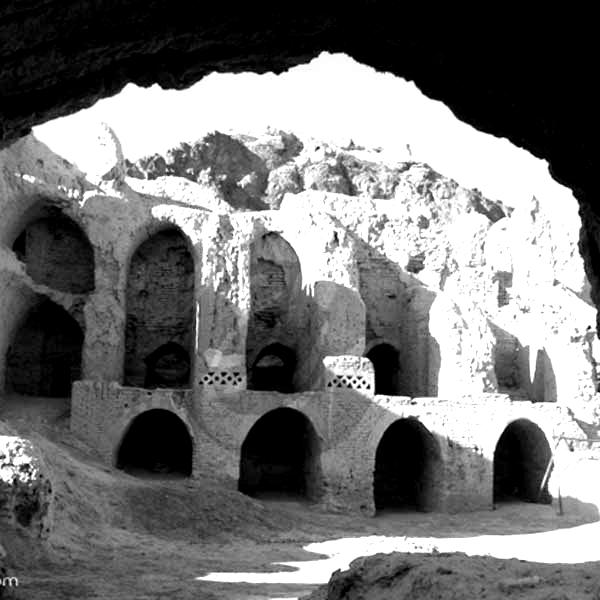
Covering over 5 hectares atop Kuh-e Khuaja near Zabol, stands as one of the most important Iranian historic city-fortresses and an important unfired (place) brick ensemble of pre-Islamic and early Islamic Iran in the region. It includes remains from the Parthian,...
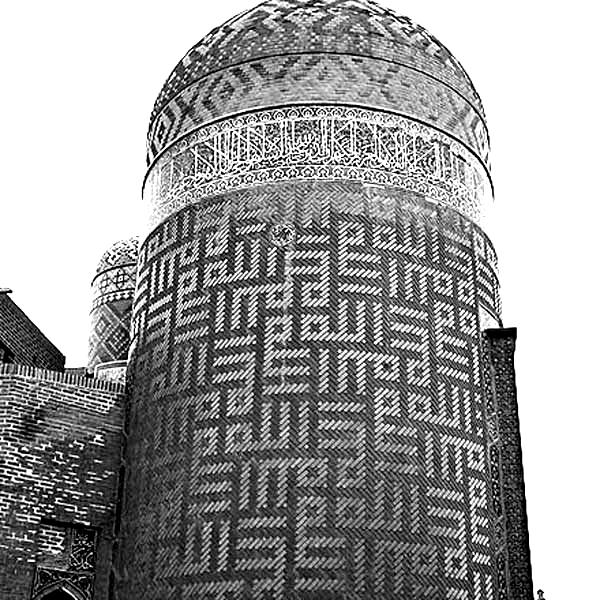
Built between the beginning of the 16th century and the end of the 18th century, this place of spiritual retreat in the Sufi tradition uses Iranian traditional architectural forms to maximize use of available space to accommodate a variety of functions (including a...
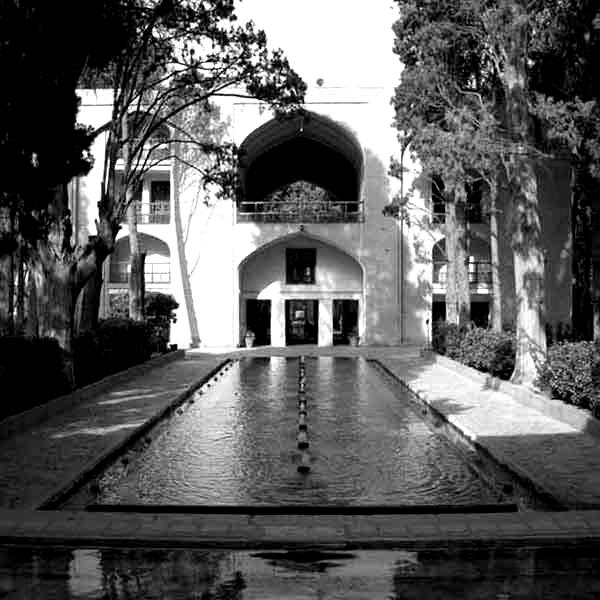
The network of Persian gardens means a collection of gardens which encompasses the most significant historical gardens. Bagh-e Fin is one of the most authentic and prominent gardens in such a network. Although there are some hints in several sources about the...
The combined historic-natural axis of Isfahan is with no doubt the most significant urban structure in Iran that was planned in Seventieth Century – in continuation of the organic structure shaped in previous centuries – and has influenced and guided the...
Tape Sialk consists of two mounds known as Northern and Southern Sialk, located about 600 meters apart. The artifacts of the northern mounds are more ancient than those of the southern. Relics of two cultural periods, from the beginning of settlement in villages in...
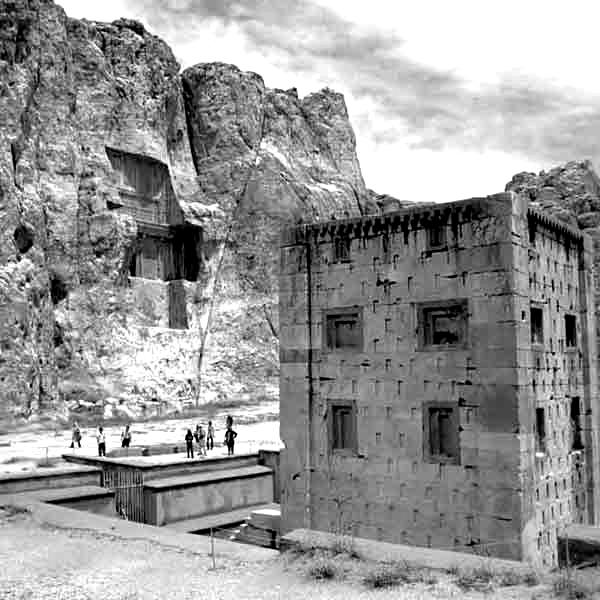
An ensemble of historic, religious and artistic works from the Achaemenian and Sasanian periods located within a small perimeter near the monuments of Persepolis and those of the pre-Sasanian city of Estakhr, between which flows the Polvar river. 1. Naqsh-e Rajab: at...
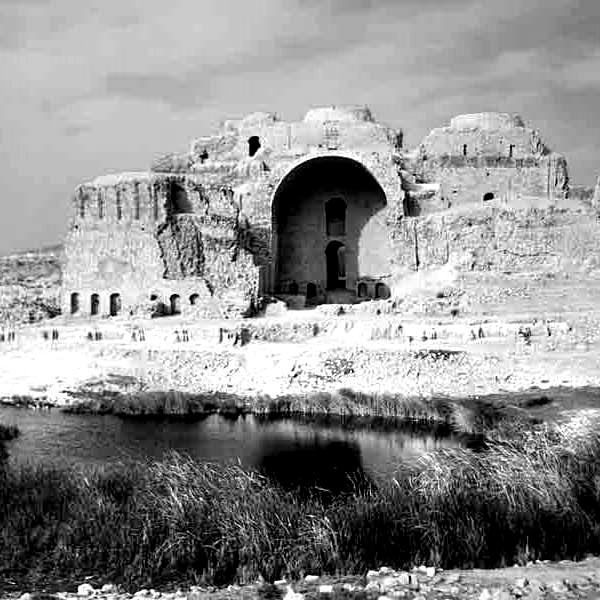
Located in the south-west of Iran, in the lower Zagros Mountains, the property encompasses a group of archaeological mounds rising on the eastern side of the Shavur River, as well as Ardeshir’s palace, on the opposite bank of the river. The excavated architectural...
The ensemble at Firuzabad comprises, within a 12 km diameter area, such archaeological sites as the City of Gur, the Palace of Ardashir (Atashkadeh), Qal’eh Dokhtar fortress, bas reliefs from the time of Ardashir (the founder of the Sassanian dynasty),...
This ensemble is located within a perimeter covering ? hectares northeast of Qasr-e Shirin and includes such architectural and urban remains from the late Sassanian period and the early Islamic period as the palace of Khosrow (attributed to the Sassanian Chosroes II,...
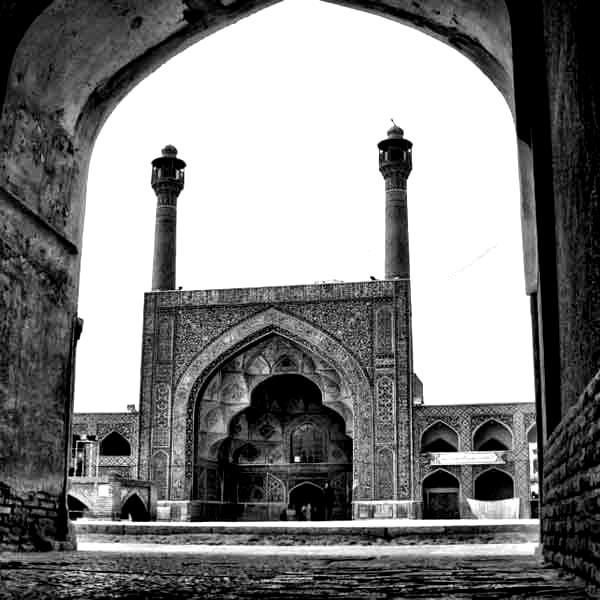
Located in the historic centre of Isfahan, the Masjed-e Jāmé (‘Friday mosque’) can be seen as a stunning illustration of the evolution of mosque architecture over twelve centuries, starting in ad 841. It is the oldest preserved edifice of its type in Iran and a...



 Revealing Persia Tour Operator is an Iranian travel and tourism company which is located in Iran and Europe.
